IVF offers hope for couples facing infertility. Learn about the diagnosis, advanced techniques like ICSI and PGT, and the step-by-step treatment process.
Send us all your questions or requests, and our expert team will assist you.
Overview and Definition




Here’s an interesting fact: Women are born with all the eggs they will ever have—about 1 to 2 million—and this number goes down over time. Usually, only one egg matures each month, so the chance to conceive is limited to a specific time in the cycle.

Infertility can be tough both emotionally and physically. Many people feel stress, anxiety, and even depression during this journey. The hormone injections used in IVF may cause bloating, mood changes, and tenderness. Although infertility is a medical issue, it can also affect relationships and self-esteem.
Send us all your questions or requests, and our expert team will assist you.

Who is at risk: Identify primary causes. For women: blocked fallopian tubes, Endometriosis, PCOS (Polycystic Ovary Syndrome), and advanced maternal age (diminished ovarian reserve). For men: low sperm count or poor motility (Male Factor Infertility). Mention that in some cases, the cause is “unexplained,” which IVF can often overcome.
To find out the cause of infertility, doctors use several tests. For women, these include an AMH blood test to check egg supply, an HSG to see if the fallopian tubes are open, and ultrasounds. For men, a semen analysis (Spermiogram) checks sperm health.
Your Reproductive Endocrinologist is both your guide and your medical expert. They create a hormone plan to help you produce as many eggs as possible, while keeping you safe. They watch your progress closely to avoid problems like OHSS and choose the best time for egg retrieval.
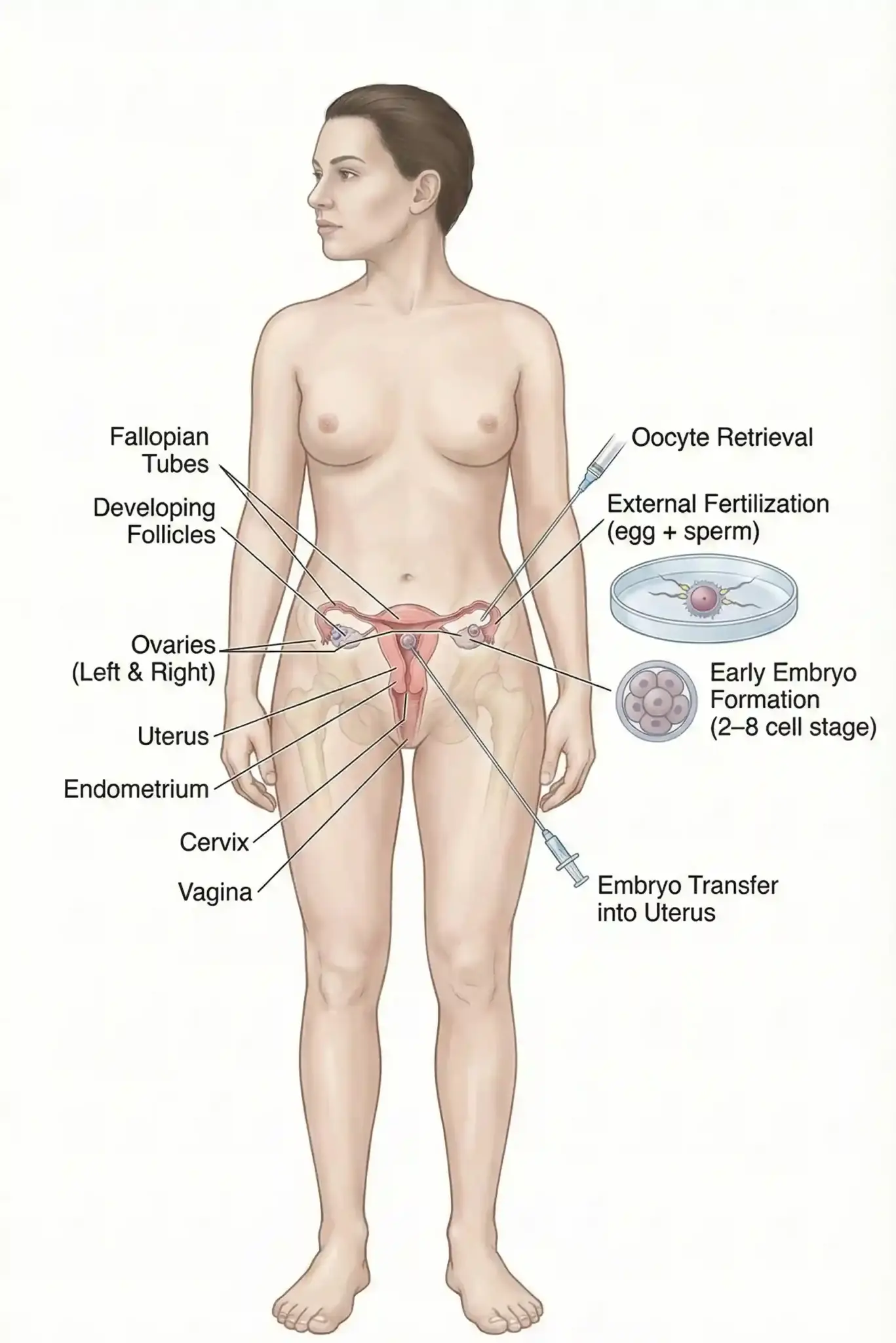
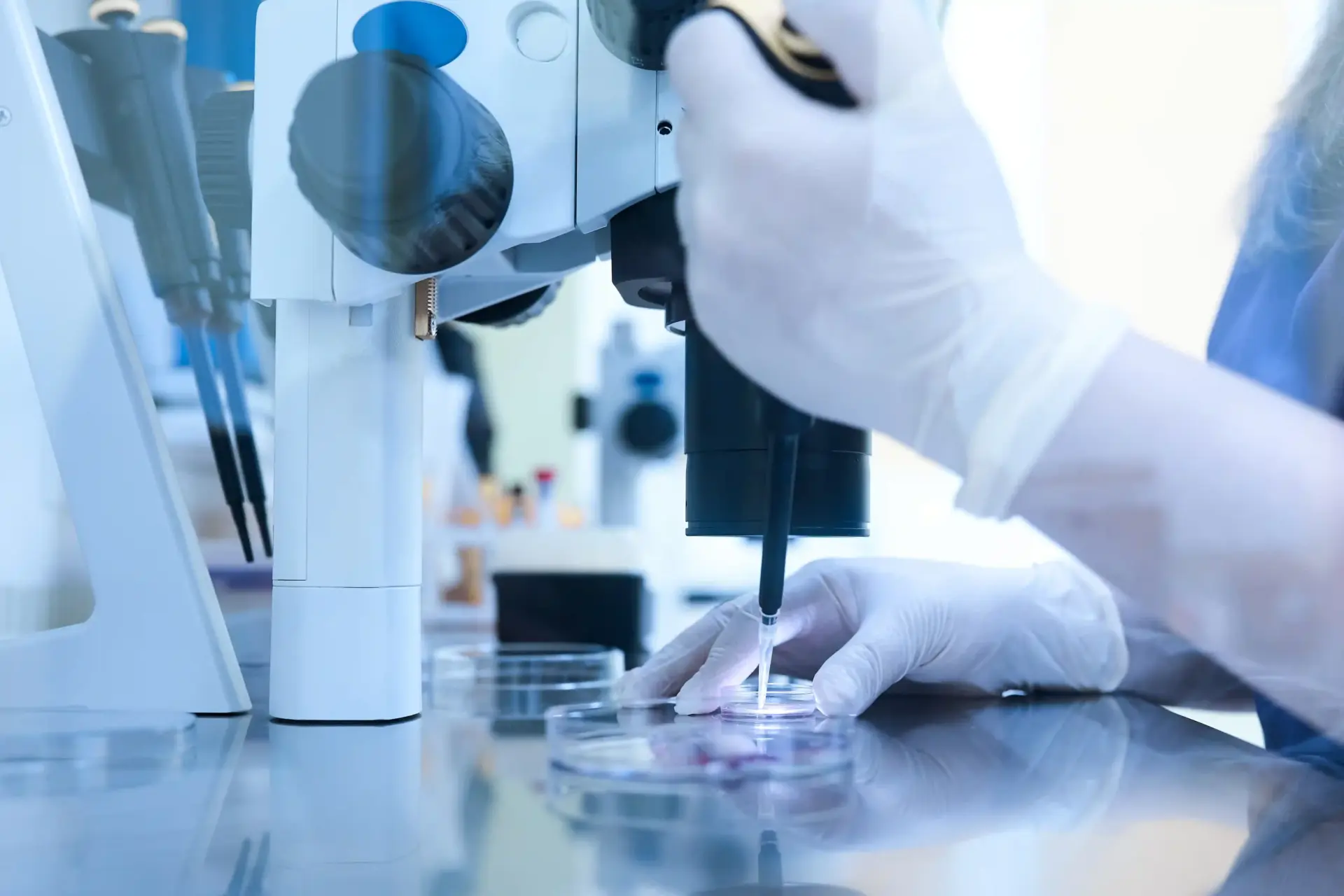
Every fertility treatment plan is unique. Doctors choose the best protocol—long, short, or antagonist—based on your age and hormone levels. They may also decide to use ICSI (injecting sperm into the egg) or freeze embryos for later, depending on what gives you the best chance of success.
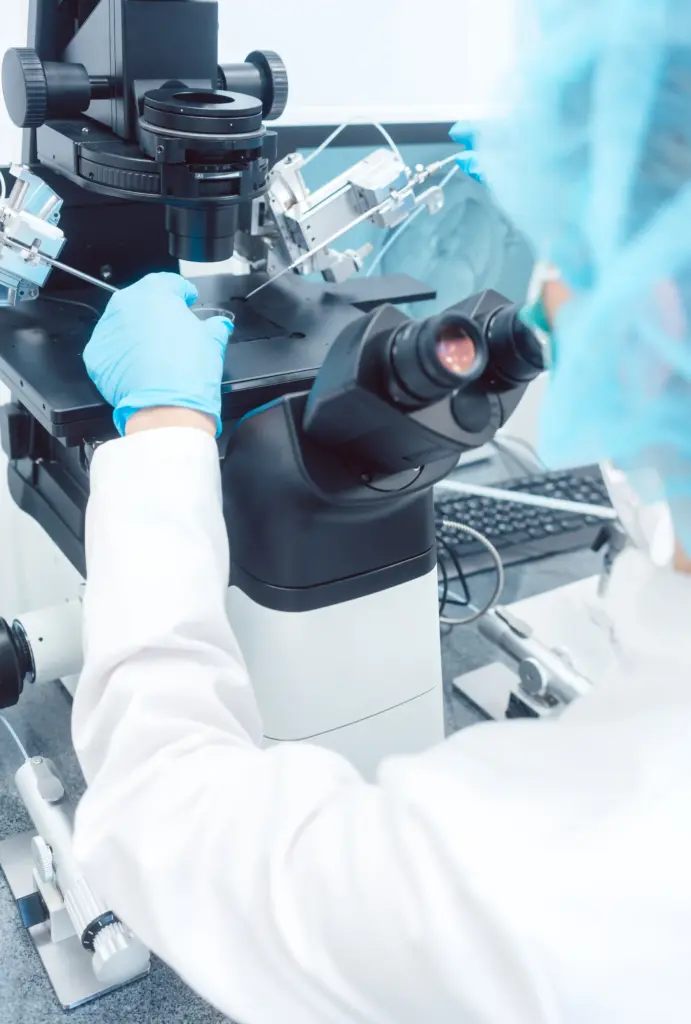
The IVF process has several steps: First, ovarian stimulation involves 10 to 12 days of hormone injections. Next is egg retrieval, a short procedure done with sedation. Then, eggs are fertilized and grown in the lab for 3 to 5 days. After that, the embryo is placed in the womb in a painless transfer. Finally, you’ll take medication to support early pregnancy during the luteal phase.
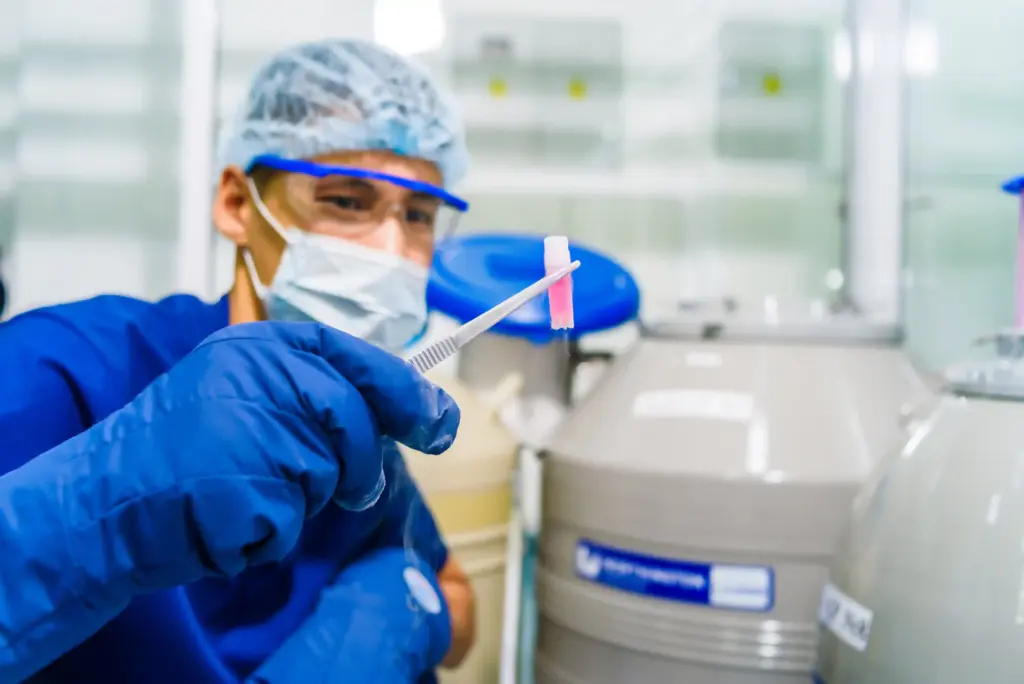
A whole team works together during IVF. Besides doctors, there are embryologists who care for the embryos, geneticists who help with genetic testing if needed, and psychologists or counselors who support your mental health during the process.
Before starting treatment, it helps to make some lifestyle changes. Quitting smoking, drinking less alcohol, and keeping a healthy weight can improve egg and sperm quality. Be ready for daily injections and regular clinic visits. Managing stress is also important, since high stress can affect your results.
After the embryo transfer, there is a “Two Week Wait” before you can take a blood test (Beta hCG) to see if you are pregnant. This waiting period can be very emotional. If the test is positive, you move on to regular pregnancy care. If not, your doctor will review your cycle and suggest changes for the next try, such as using frozen embryos.
Success is typically defined by a clinical pregnancy confirmed by heartbeat or a live birth. However, success rates vary significantly based on patient age, the cause of infertility, and the quality of the laboratory.
Most patients report discomfort rather than acute pain. The injections can cause bruising or bloating, and the egg retrieval is performed under sedation to ensure the patient feels no pain during the surgical part of the process.
A standard cycle usually takes about three to four weeks. This includes the time for ovarian stimulation, egg retrieval, fertilization, and embryo transfer, though preparation may start weeks earlier with birth control pills.
Yes, maintaining a healthy weight, quitting smoking, and reducing alcohol intake can improve egg and sperm quality. A balanced diet and stress reduction techniques are also recommended to support the body.
Most clinics have an upper age limit for using a patient’s own eggs, typically around 43 to 45 years old, due to declining egg quality. However, treatment with donor eggs can often extend this age limit significantly, depending on the woman’s health.


Guide to the ideal location where in the uterus does the embryo implant (upper posterior wall). Knowing embryo implantation location is key for a healthy

Explaining the best location where do embryos implant in the uterus for successful pregnancy. Embryo implantation is a key step in human reproduction, starting a
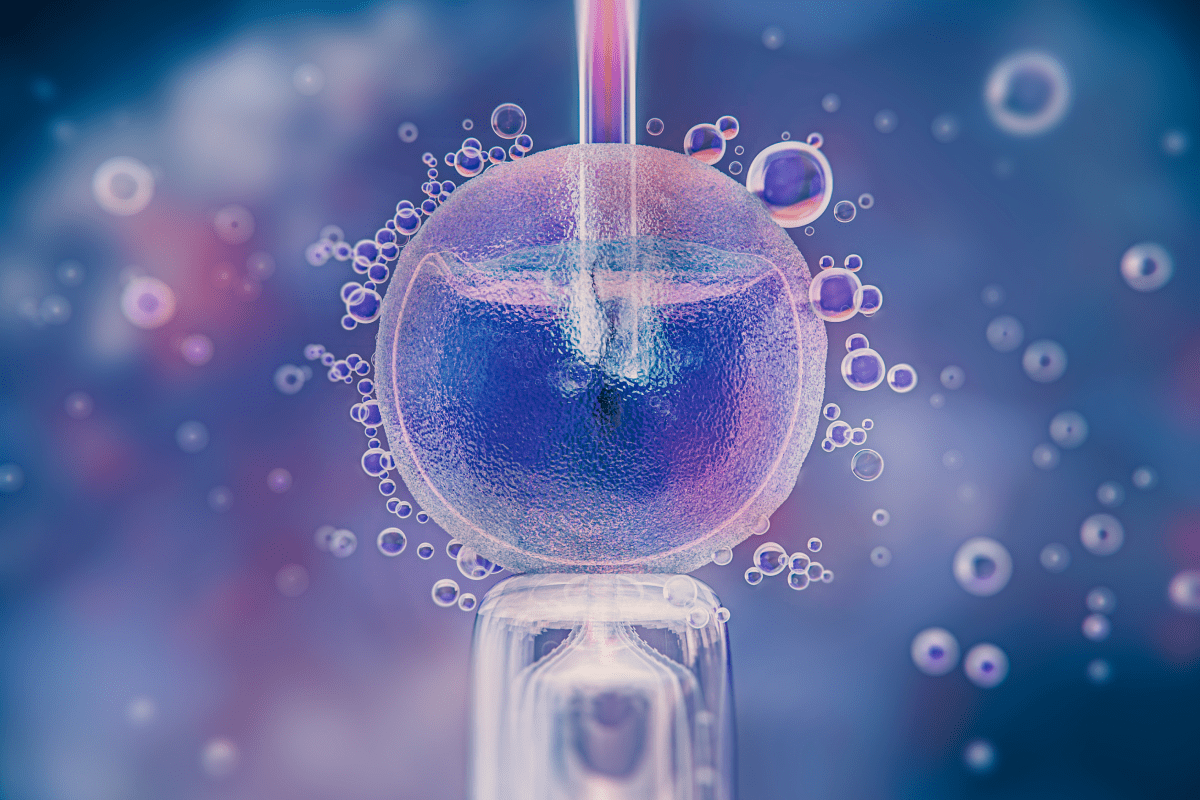
The bloating after embryo transfer is filled with hope and worry. People watch their bodies for signs of a successful embryo implantation. Knowing what to
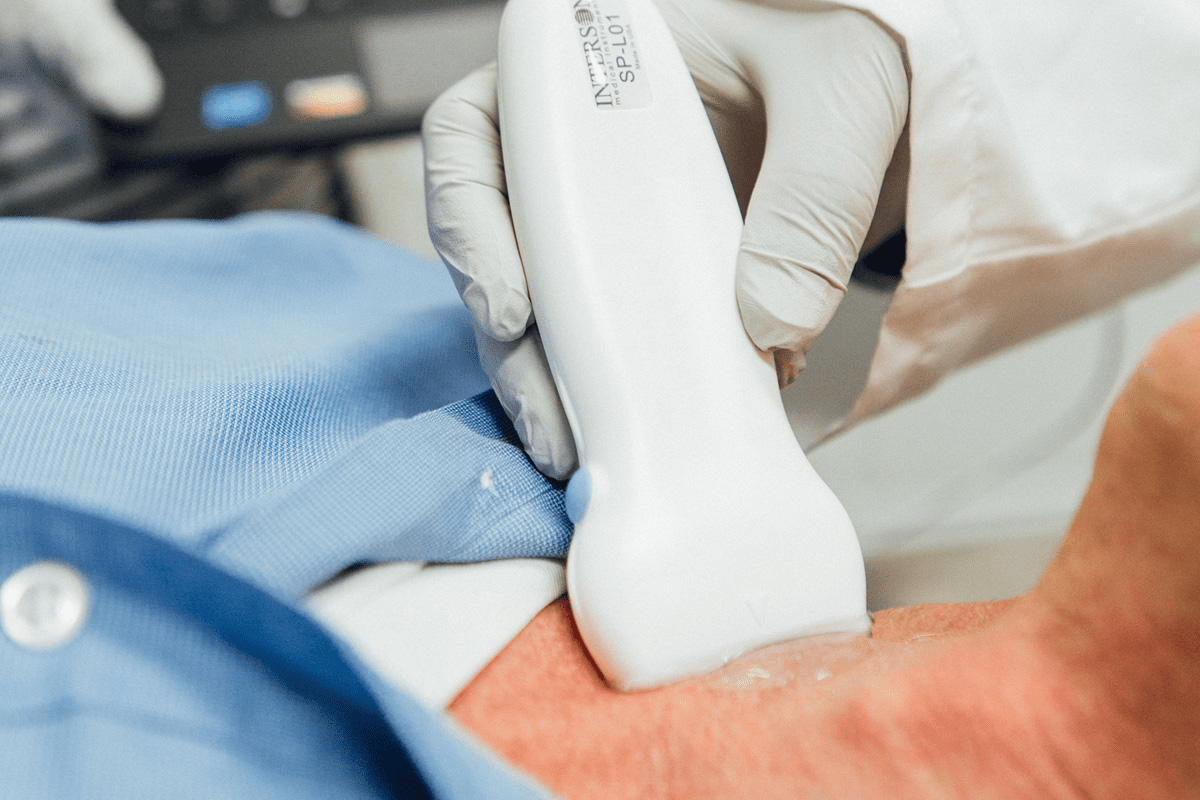
FET ultrasound is key in modern fertility treatments. It helps place embryos exactly in the uterus. This makes IVF treatments more successful for many people.

The Depo-Provera shot is a popular birth control option for many women. But, it’s important to know what happens when you stop using it. This

Leave your phone number and our medical team will call you back to discuss your healthcare needs and answer all your questions.
Your Comparison List (you must select at least 2 packages)