

Urology treats urinary tract diseases in all genders and male reproductive issues, covering the kidneys, bladder, prostate, urethra, from infections to complex cancers.
Send us all your questions or requests, and our expert team will assist you.
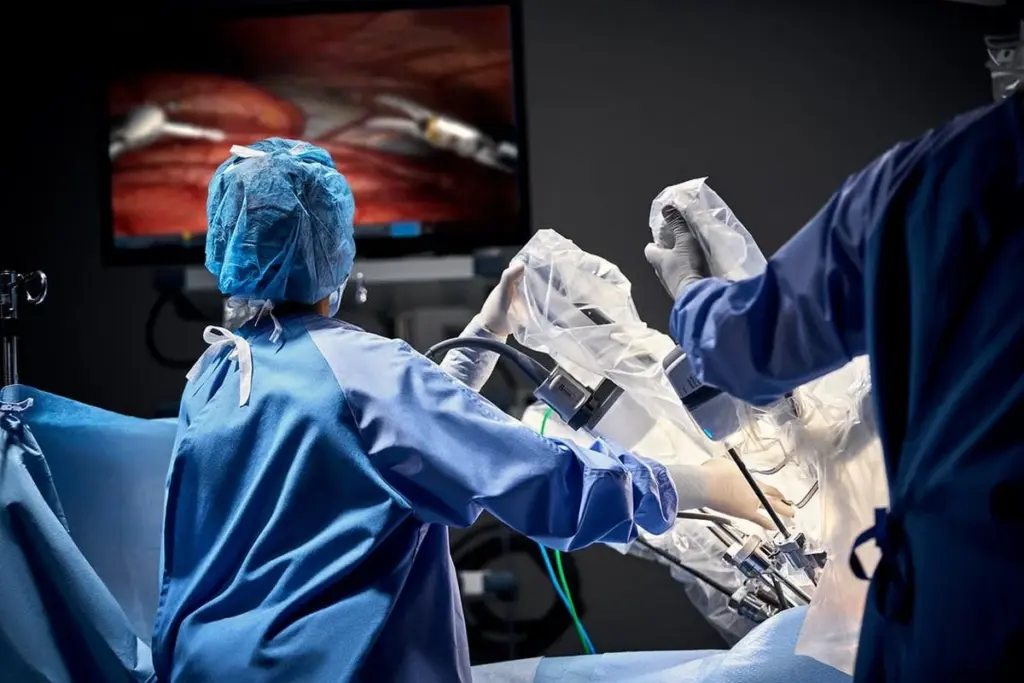
Robotic Urology marks a major step forward in medical science, moving beyond the limits of human hands to the enhanced abilities of computer-assisted surgery. At Liv Hospital, the Urology Department uses this advanced approach to improve patient care. Robotic Urology is more than just a new technique; it combines the surgeon’s knowledge with the accuracy of modern robotics. The da Vinci surgical system lets surgeons perform complex procedures through tiny incisions, achieving a level of precision not possible with open or standard laparoscopic surgery. This system brings together clear visualization, small instruments, and comfortable controls to protect body function and remove disease.
To understand Robotic Urology, it helps to know the main parts of the surgical system. The system has three main components that let the surgeon work closely on the operation while sitting away from the patient.
The Vision System. The definition of precision surgery is predicated on vision. The robotic vision cart houses the image processing equipment that delivers a true-to-life, magnified view of the surgical field. This allows the surgeon to distinguish between tissue planes, nerves, and blood vessels with unparalleled acuity, a critical factor in oncological and reconstructive procedures.

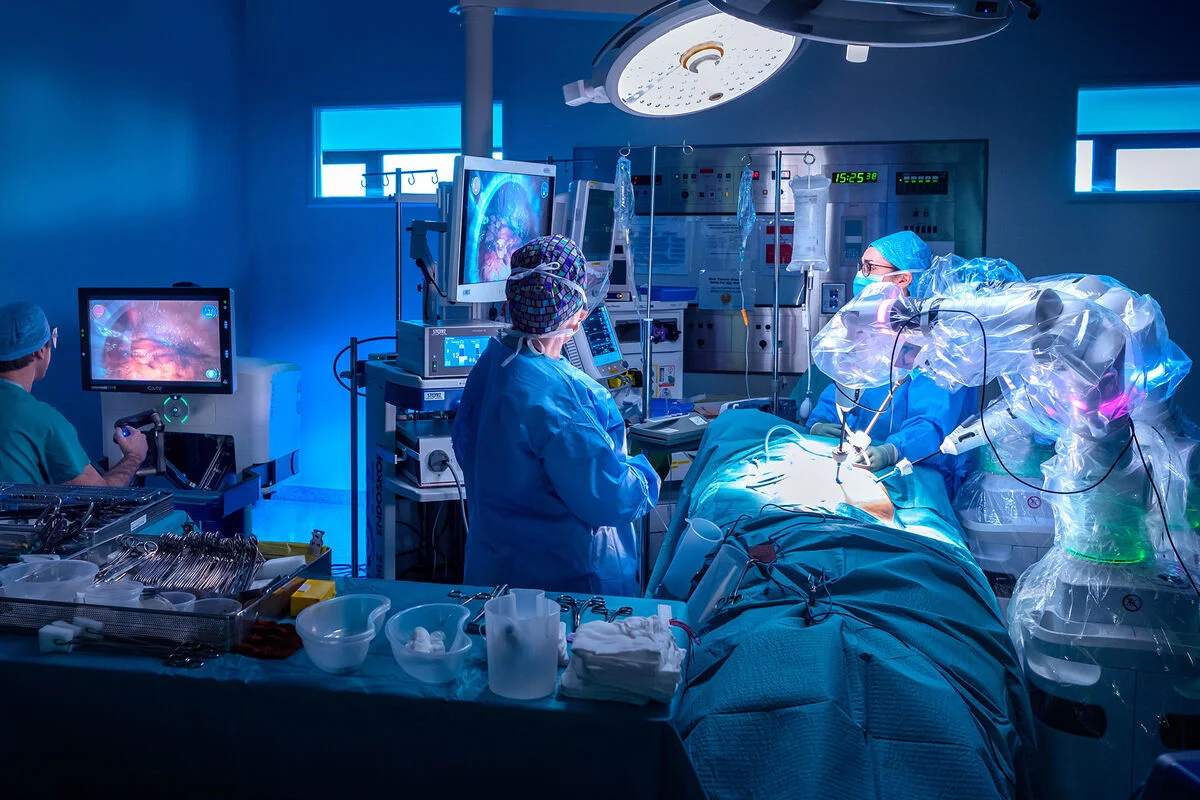
Robotic Urology stands out because of its effect on the body. Traditional open surgery requires large cuts so the surgeon can see and feel the organs, which causes more pain and a longer recovery. Robotic surgery, on the other hand, uses very small openings, less than a centimeter wide, which helps keep the abdominal muscles intact and reduces trauma.
Preservation of Neurovascular Structures. In the narrow confines of the male pelvis, specifically around the prostate and bladder, vital nerves responsible for urinary control and sexual function are interwoven with the organs. The definition of success in robotic urology is the ability to dissect these structures with micron-level precision, sparing the nerves that would likely be damaged during the blunt dissection of open surgery.
At Liv Hospital, robotic technology is used to treat a wide range of urological conditions, changing the way these problems are managed.
Adrenal and Retroperitoneal Surgery The adrenal glands, located deep within the body above the kidneys, are accessed with relative ease using the robotic platform, avoiding the morbidity of large flank incisions.
Many people think the robot works on its own, but in Robotic Urology, the robot only assists the surgeon. It does not have artificial intelligence or make decisions. The robot is a tool that depends completely on the surgeon’s skill and experience. The surgeon is always in control, and if they stop, the robot stops too. At Liv Hospital, only highly trained and certified teams use this technology. This teamwork between people and machines gives patients the best chance for a cure with less physical stress.
Send us all your questions or requests, and our expert team will assist you.
No, the robotic system is entirely controlled by the surgeon and has no autonomous capability. It acts as a sophisticated extension of the surgeon’s hands. The surgeon sits at a console and controls the instruments; the robot translates these movements into precise actions inside the patient’s body.
Standard laparoscopy uses rigid instruments and a two-dimensional screen, which can limit depth perception and dexterity. Robotic surgery provides a three-dimensional, high-definition view and instruments that articulate like a human wrist, allowing for much greater precision and the ability to perform complex suturing in tight spaces.
Yes, robotic surgery is often safer for elderly patients compared to open surgery. Because the incisions are small and blood loss is minimal, the physical stress on the body is reduced. This typically leads to a faster recovery and fewer complications, making it a viable option for older adults who might not tolerate open surgery well.
Carbon dioxide gas is used to inflate the abdominal cavity, creating a “pneumoperitoneum.” This lifts the abdominal wall away from the organs, providing the surgeon with a clear working space. The gas pressure also helps prevent bleeding from small blood vessels during the operation.
Immunosuppressive Therapy is not a quick fix. It typically takes 3 to 6 months to see a meaningful improvement in blood counts. Patience is key. During this time, the patient remains dependent on transfusions and careful infection prevention.


Robotic surgery has changed the medical world with its new ways of operating and advanced tech. Over 1 million robotic surgeries happen every year. This
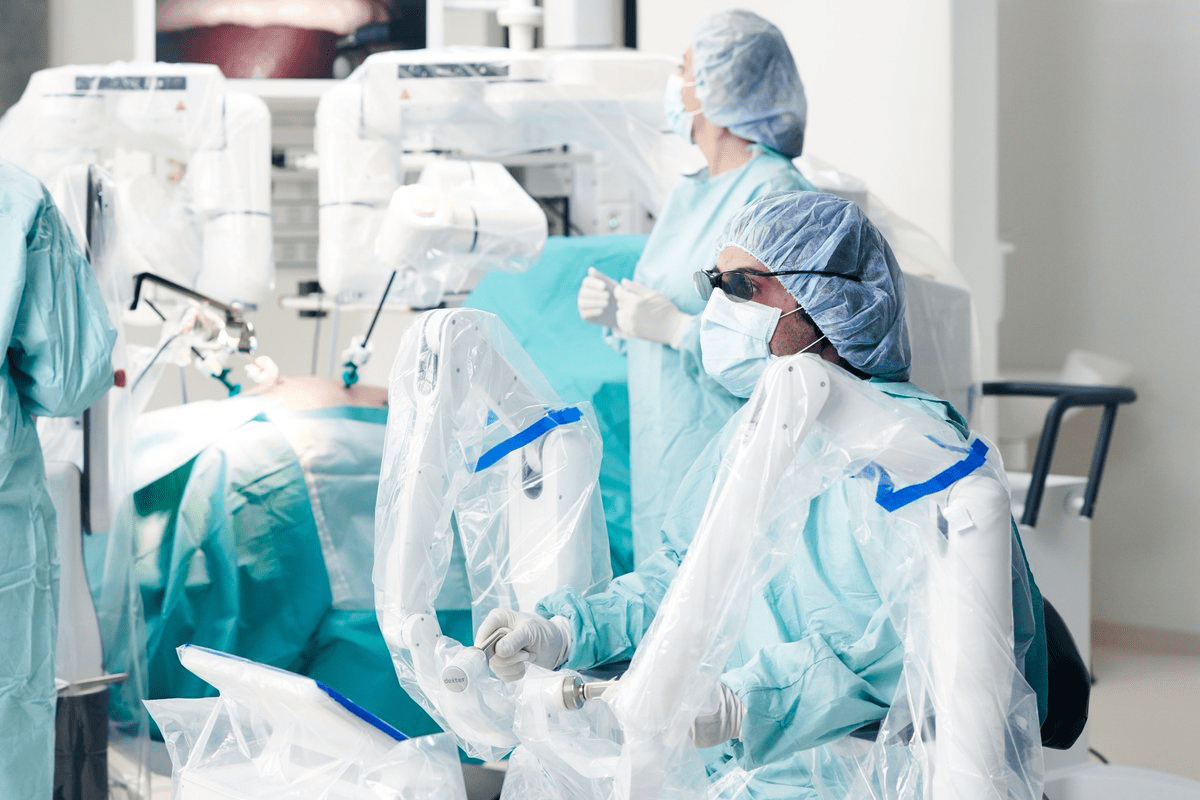
In 2020, over 877,000 robotic surgeries were performed, marking a major shift in how complex operations are carried out. Is robotic surgery becoming the new standard in

Robotic surgery has changed patient care for the better. It brings more precision and shorter recovery times. This new tech has improved results in many
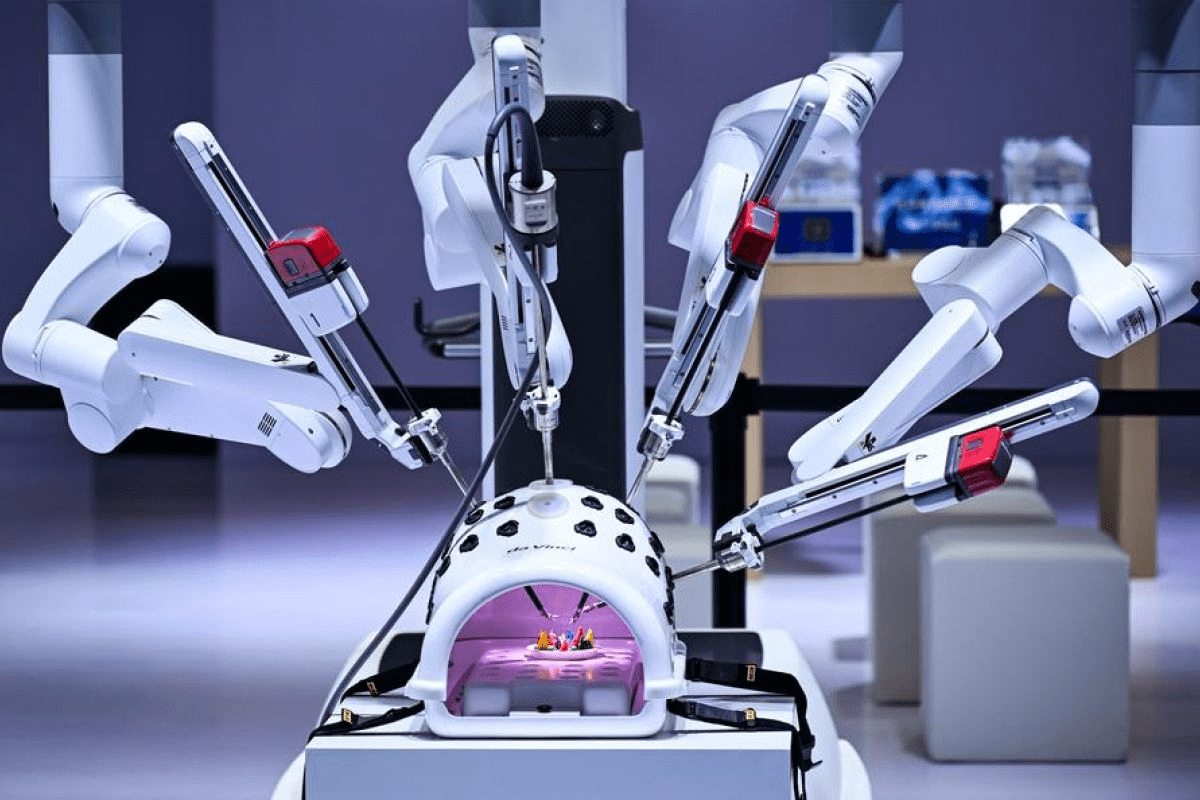
In 2020, over 1.2 million robotic surgeries were done worldwide. This shows a big jump in using this new tech. Now, more people want to
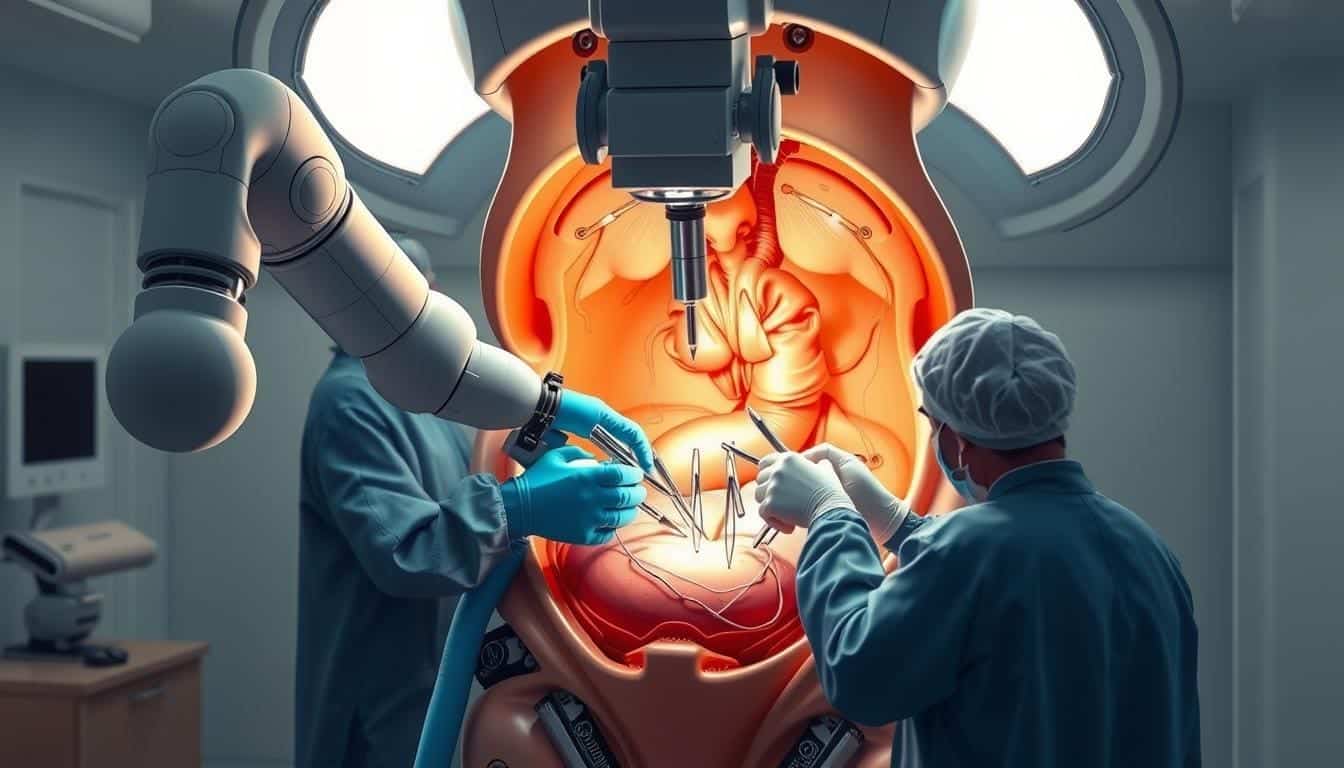
At Liv Hospital, we use the da Vinci surgical system for hysterectomies. This da Vinci hysterectomy is a minimally invasive method. It has many benefits,

Leave your phone number and our medical team will call you back to discuss your healthcare needs and answer all your questions.
Your Comparison List (you must select at least 2 packages)
