

Orthopedics is one of the most established fields for the application of regenerative medicine.
Send us all your questions or requests, and our expert team will assist you.
The objective is to restore function to joints and tissues that have been degraded by age or injury.
Stem cell therapy is often considered for patients with osteoarthritis. Wear and tear on cartilage in the knees, hips, and shoulders can lead to chronic pain.
By introducing regenerative cells into the joint space, the goal is to reduce inflammation and support cartilage health. This approach offers a potential alternative to invasive joint replacement surgeries.

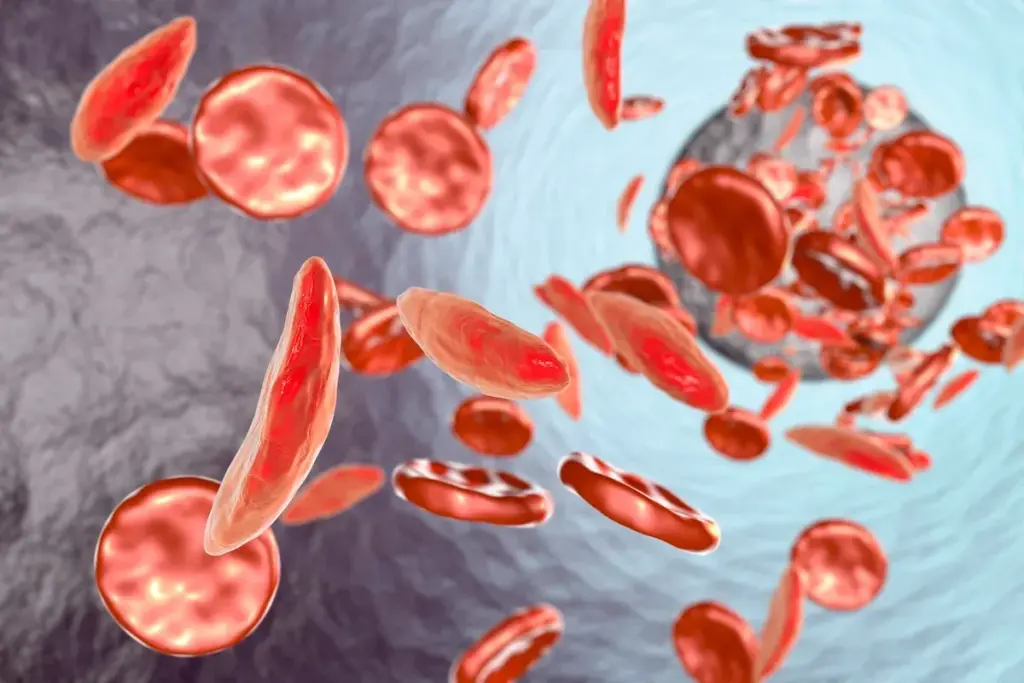
Athletes often face injuries that heal slowly due to poor blood supply in tendons and ligaments. Stem cell treatment is utilized to accelerate this recovery process.
Soft-tissue injuries, such as Achilles tendon tears or tennis elbow, can sideline active individuals for months. Regenerative protocols aim to accelerate biological repair.
The therapy focuses on modulating the inflammatory response that occurs immediately after injury. This helps organize collagen fibers more effectively during healing.

The nervous system has limited capacity for self-repair, making neurodegenerative conditions particularly challenging. Regenerative medicine offers new avenues for exploration in this domain.
Conditions like Parkinson’s disease and Multiple Sclerosis involve the progressive loss of specific nerve cells. Stem cell research investigates how cell therapy might protect remaining neurons.
The focus is often on the cells’ immunomodulatory properties. By reducing neuroinflammation, progress may be slowed or managed more effectively.

Autoimmune diseases occur when the body’s immune system attacks its own tissues. Mesenchymal stem cell news frequently covers their use in resetting this immune imbalance.
Diseases such as Lupus, Rheumatoid Arthritis, and Crohn’s disease involve chronic, systemic inflammation. The regulatory properties of stem cells are utilized to dampen this overactive response.
The goal is to induce a state of tolerance where the immune system ceases its attack. This systemic approach aims to improve the patient’s overall quality of life.
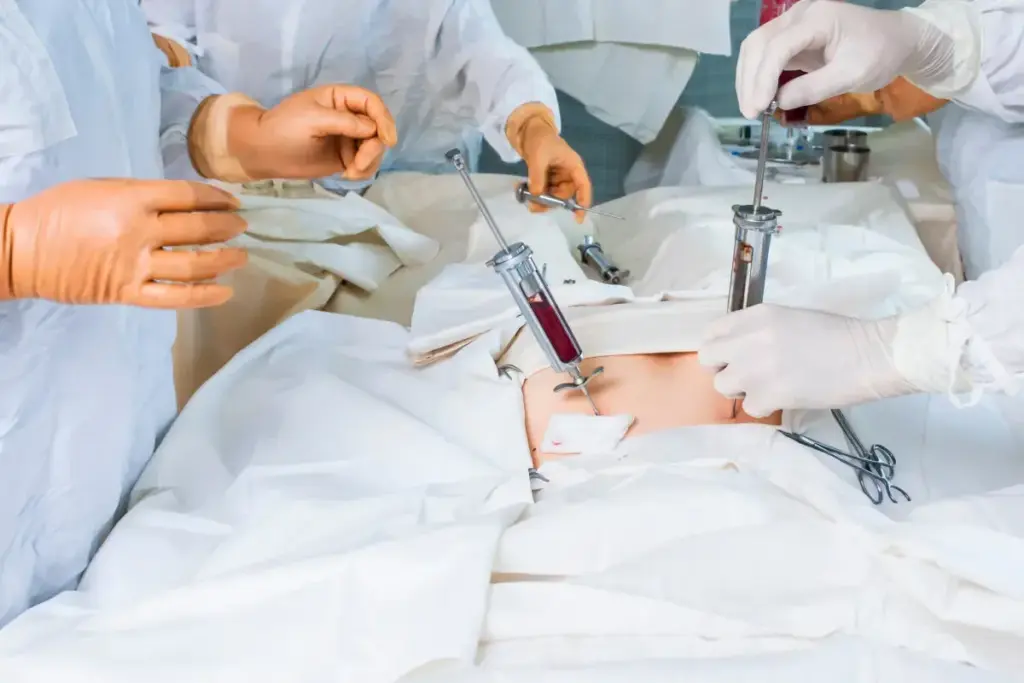
Heart disease remains a leading cause of health complications globally. Damage to the heart muscle following a heart attack is often permanent, leading to scar tissue.
Stem cell transplant techniques are explored to improve cardiac function. The intention is to improve blood flow and reduce the burden of scar tissue on the heart’s pumping ability.
Advanced delivery methods, including stem cell patches, are being developed to keep the cells in contact with the damaged heart muscle for extended periods.
Send us all your questions or requests, and our expert team will assist you.
The skin is the largest organ and relies heavily on stem cells for constant renewal. Aesthetic medicine utilizes these principles for anti-aging and scar reduction.
Stem cell therapy in dermatology focuses on collagen production and skin elasticity. It is used to address deep wrinkles, sun damage, and the overall skin texture.
Beyond aesthetics, it is used for chronic wound healing. Diabetic ulcers and other non-healing wounds may benefit from the vascularization promoted by these therapies.
Chronic lung diseases, such as COPD and Pulmonary Fibrosis, result in the scarring of lung tissue. This scarring impairs the lungs’ ability to oxygenate blood.
Research is investigating how cellular therapies can reduce inflammation in the lung tissue. The aim is to slow the progression of fibrosis and improve breathing mechanics.
While lung tissue regeneration is complex, the anti-inflammatory effects of the cells may provide symptomatic relief and improve exercise tolerance.
Type 1 Diabetes involves the destruction of insulin-producing beta cells in the pancreas. Scientists are researching ways to replace these cells or protect the remaining ones.
Stem cell research has shown promise in generating insulin-producing cells in the lab. Clinical applications focus on managing the immune attack on the pancreas.
For Type 2 Diabetes, the focus is often on managing complications such as neuropathy and vascular issues. Systemic treatments aim to improve metabolic profiles.
The liver has a high natural regenerative capacity, but chronic disease can overwhelm it. Cirrhosis involves the replacement of healthy liver tissue with scar tissue.
Stem cell treatment aims to support the remaining healthy liver cells. The release of growth factors can stimulate the liver’s intrinsic repair mechanisms.
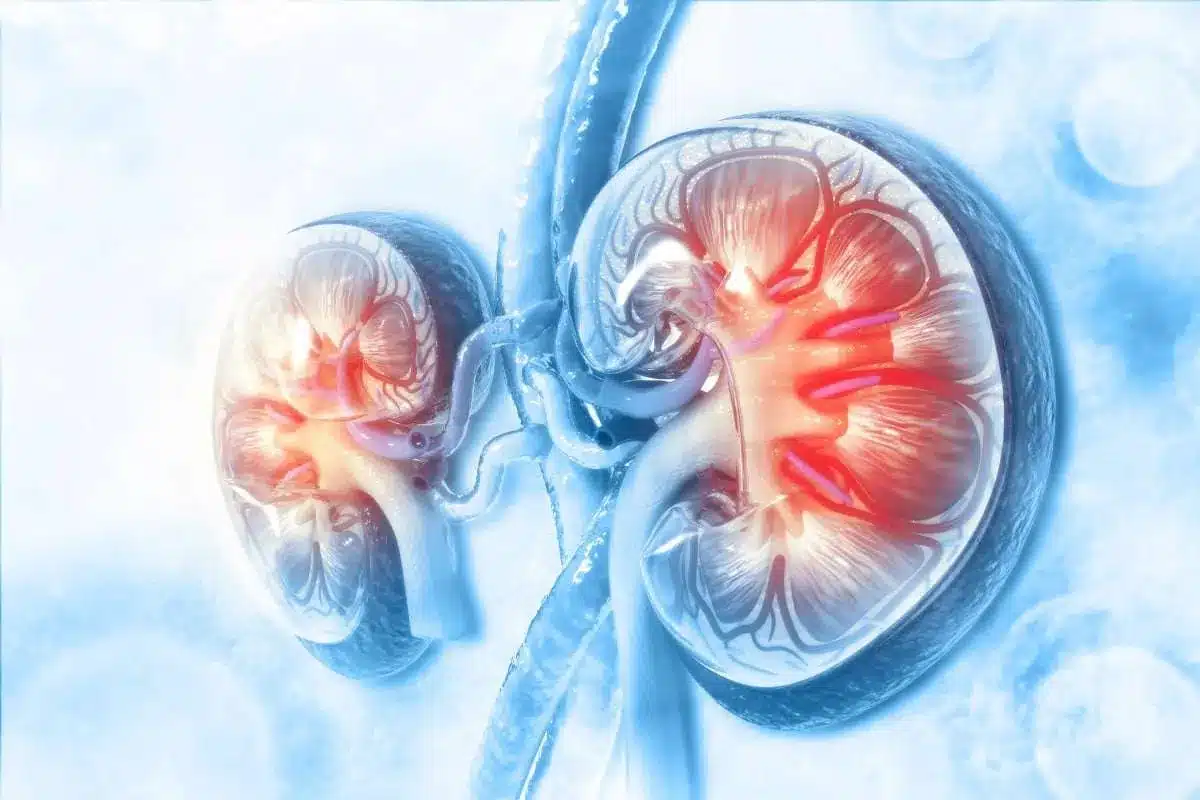
Similarly, in kidney disease, the goal is to prevent the progression to end-stage renal failure. Reducing oxidative stress and inflammation is key to this approach.
Spinal cord injuries often result in permanent loss of function due to the severance of nerve connections. The hostile environment at the injury site prevents nerve regrowth.
Regenerative strategies involve bridging the gap in the spinal cord. Cells are used to create a permissive environment for nerve axon regeneration.
While complete restoration is a long-term goal, current therapies aim to improve sensory and motor function. Even small gains can significantly impact patient independence.
Vision loss due to retinal degeneration affects millions of people. Conditions like Macular Degeneration and Retinitis Pigmentosa involve the loss of light-sensing cells.
Stem cell transplant procedures in the eye are highly specialized. The eye is an immunoprecipitated site, making it a favorable environment for cellular therapies.
The objective is to replace the retinal pigment epithelium cells that support the photoreceptors. This could halt the progression of vision loss.
Aging is characterized by a decline in the function of the body’s stem cell pools. Systemic stem cell therapy is increasingly sought for its potential anti-aging effects.
The therapy aims to replenish the body’s circulating levels of regenerative cells. This is believed to improve energy levels, cognitive function, and general vitality.
By addressing cellular senescence, patients seek to extend their “healthspan,” or the number of years spent in good health.
Regenerative medicine is also applied to sexual dysfunction in both men and women. Vascular health is a critical component of sexual function.
Treatments focus on improving blood flow and repairing tissue in the reproductive organs. This approach addresses the physical causes of dysfunction rather than just the symptoms.
For men, this often relates to erectile function, while for women, it may address tissue atrophy and sensitivity.
Oral health is vital for overall well-being. Periodontal disease can lead to the loss of bone and soft tissue supporting the teeth.
Stem cell research in dentistry focuses on regenerating the periodontal ligament and alveolar bone. This could save teeth that would otherwise be extracted.
Pulp regeneration is another area of interest, allowing the revitalization of dead teeth rather than performing root canals.
While it cannot reverse severe structural deformity, it aims to reduce inflammation, alleviate pain, and potentially slow further cartilage degradation.
Yes, the therapy is often used to restart the healing process in chronic, non-healing injuries by introducing growth factors and new cells.
Research is ongoing; current therapies focus on neuroprotection and reducing inflammation to potentially slow progression rather than reversing established memory loss.
Therapies are used for wound healing, scar reduction, and anti-aging purposes to improve skin elasticity and collagen density.



Leave your phone number and our medical team will call you back to discuss your healthcare needs and answer all your questions.
Your Comparison List (you must select at least 2 packages)
