The treatment phase begins with the collection of the biological material.
Send us all your questions or requests, and our expert team will assist you.
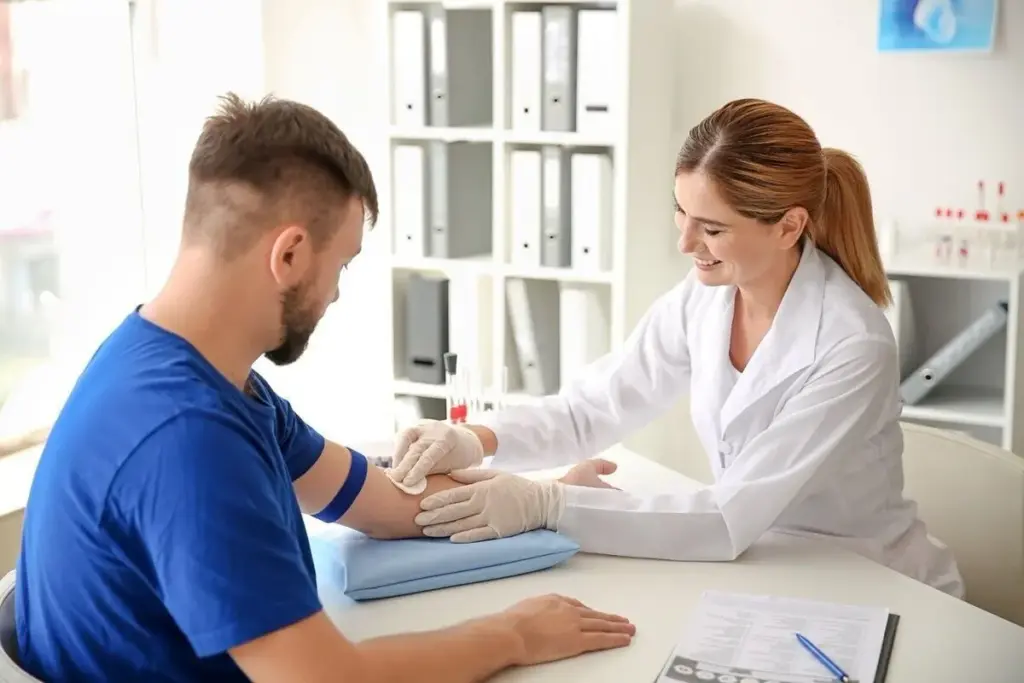
The treatment phase begins with the collection of the biological material. The technique used depends on the source tissue selected during the evaluation.
For bone marrow aspiration, a specialized needle is used to withdraw marrow from the posterior iliac crest (the hip bone). This is done under local anesthesia and sedation.
Adipose harvesting involves a mini liposuction procedure. A small cannula gently extracts fat tissue, typically from the abdomen or flank area, which is rich in mesenchymal cells.
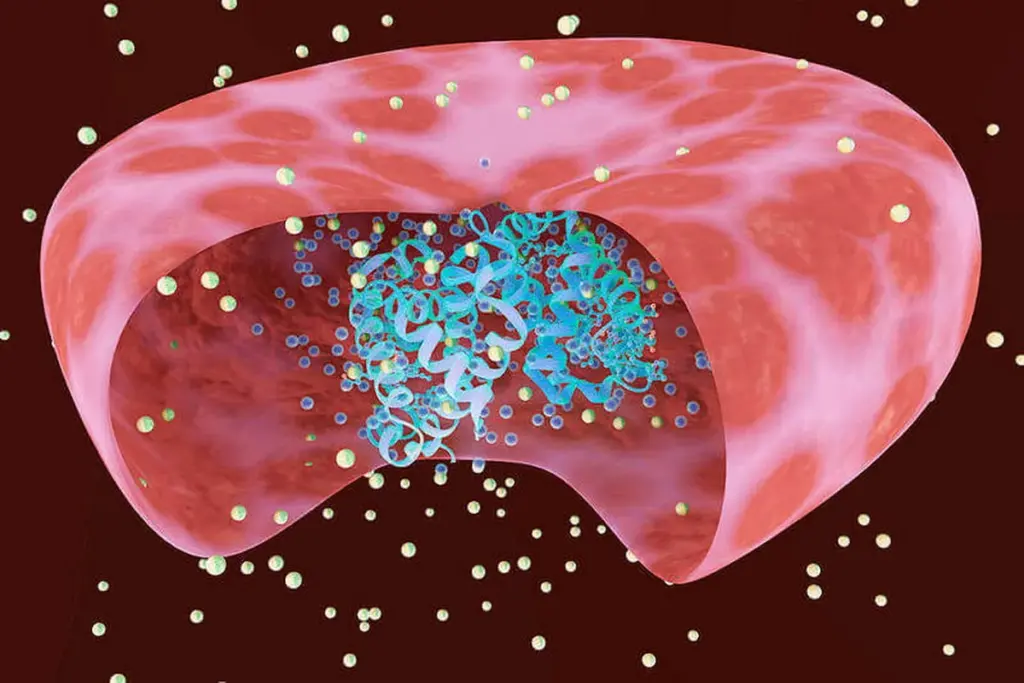
Once harvested, the tissue must be processed to isolate the therapeutic cells. This takes place in a sterile, controlled laboratory environment.
Centrifugation is used to separate cells from other tissue components, such as red blood cells or oil. This concentrates the regenerative fraction.
In some protocols, cells are cultured and expanded to increase their numbers. This allows for a higher dose of cells to be delivered during the stem cell treatment.

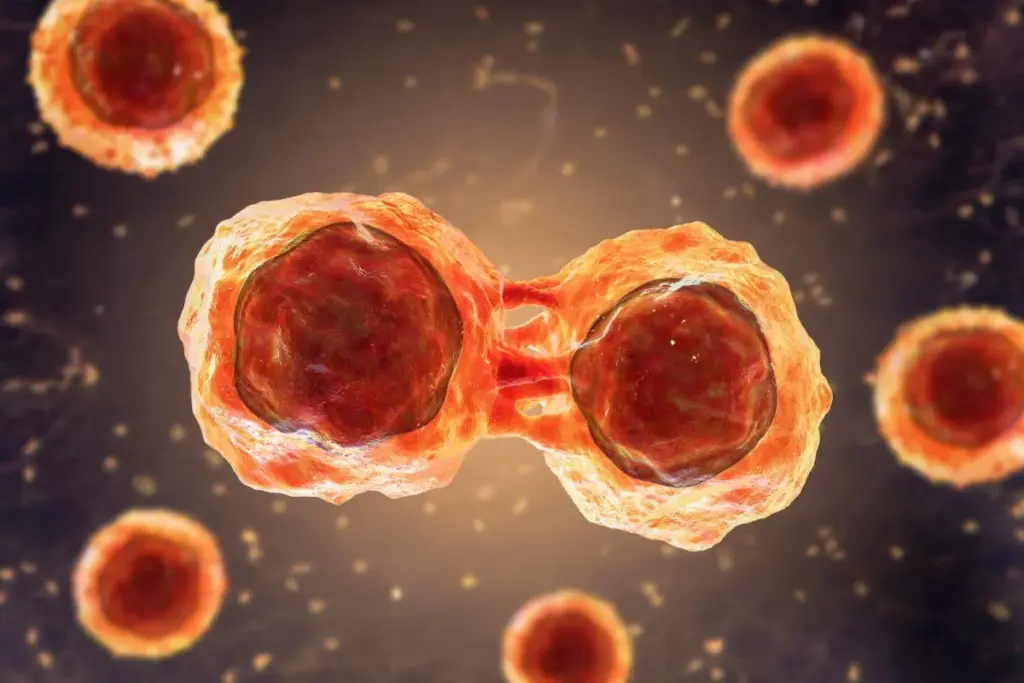
The method of delivering the cells into the body is as critical as the cells themselves. The goal is to place the cells as close to the injury as possible.
Direct injection is common for joint and muscle issues. Ultrasound or fluoroscopy guidance ensures the needle is placed with millimeter precision.
Intravenous (IV) infusion is used for systemic conditions. The cells circulate through the bloodstream and home to areas of inflammation.


The autologous transplant process is a closed-loop system. The patient serves as both donor and recipient, ensuring biological compatibility.
The entire procedure, from harvest to reintroduction, can often be completed in a single day (same-day point-of-care). This minimizes the risk of contamination.
For expanded cells, the patient returns after a few weeks for the transplant. This allows time for the cells to multiply in the lab.
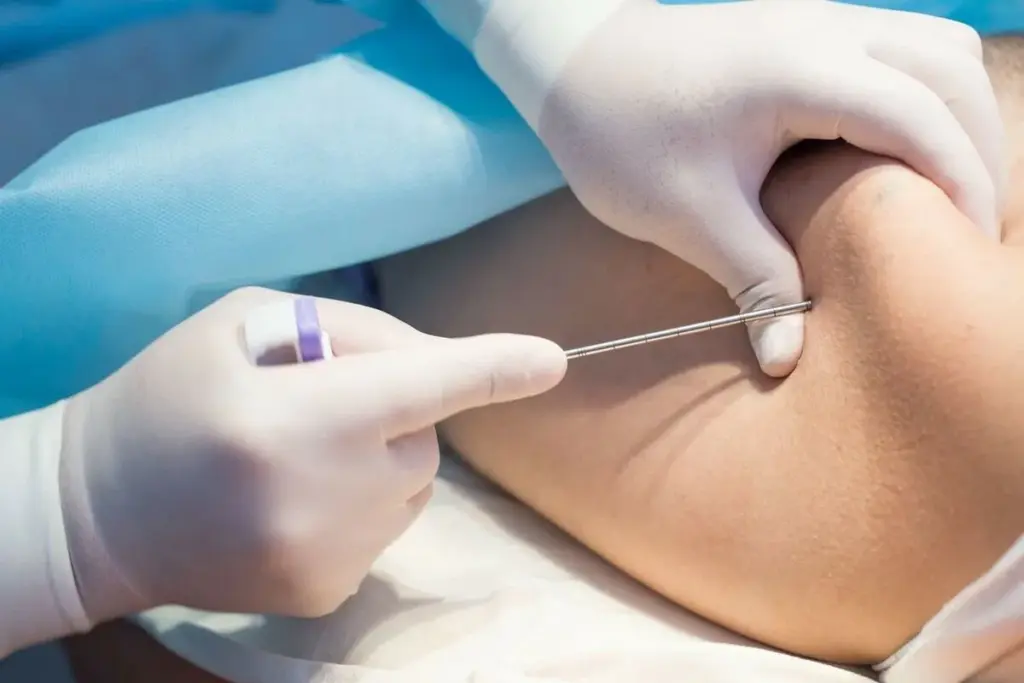
Modern regenerative medicine employs advanced tools to enhance efficacy. Stem cell patches are one such innovation used in surgical settings.
These bioengineered scaffolds are loaded with cells and applied to the surfaces of organs. They are instrumental in cardiac and dermal repair.
Micro-needling, combined with topical application, is another method often used in dermatological treatments to enhance skin absorption.
Send us all your questions or requests, and our expert team will assist you.
Platelet-rich plasma (PRP) is often used in conjunction with stem cells. PRP is derived from the patient’s blood and contains growth factors.
These growth factors act as fertilizer for the stem cells. They stimulate the cells to multiply and differentiate once they are in the body.
Combining these therapies creates a synergistic effect. It enhances the overall signaling environment at the injury site.
For osteoarthritis and joint pain, the cells are injected directly into the synovial capsule. This is the fluid-filled space between the bones.
The procedure is performed under strict sterile conditions. Local anesthesia numbs the skin and the needle track.
Once inside, the cells attach to the cartilage and synovial lining. They begin to modulate inflammation and signal repair processes.
For neurological conditions, accessing the central nervous system is necessary. Intrathecal administration involves injecting cells into the spinal canal.
This bypasses the blood-brain barrier, allowing cells to reach the cerebrospinal fluid. From there, they can circulate to the brain and spinal cord.
This procedure requires high-level expertise and is typically performed by an anesthesiologist or neurosurgeon.
Patient safety is monitored continuously throughout the procedure. Vital signs such as heart rate, blood pressure, and oxygen saturation are tracked.
The medical team is prepared to manage any immediate reactions, although autologous procedures have a very low risk of allergic response.
Sterility is maintained to the highest hospital standards to prevent infection. The processing lab operates under Good Manufacturing Practice (GMP) guidelines.
Before the cells are administered, a final quality check is performed. This ensures that the concentrate meets the therapeutic criteria.
Flow cytometry may be used to identify specific cell markers. This confirms that the harvested population contains the desired mesenchymal stem cells.
Viability stains are used to ensure the cells are alive and active. Dead cells do not provide therapeutic benefit.
Comfort is a priority during the harvesting and treatment. Various levels of anesthesia can be used depending on the patient’s preference and the procedure’s complexity.
Local anesthesia is standard for harvest sites. Oral sedation can help with anxiety.
For more invasive steps, IV sedation (twilight sleep) may be utilized. General anesthesia is rarely needed for standard regenerative procedures.
The timing of the treatment and the number of cells delivered (dosage) are calculated based on the condition.
Stem cell research is constantly refining the optimal cell count. Too few cells may be ineffective, while too many can lead to crowding.
treatments may be delivered as a single dose or a series of injections over time. This depends on the severity and chronicity of the disease.
Blind injections are rarely performed in high-quality centers. Imaging guidance ensures the cells are deposited exactly where they are needed.
Fluoroscopy uses real-time X-ray to visualize bones and needles. This is essential for spinal and deep hip procedures.
Ultrasound is excellent for soft tissue and superficial joints. It allows the doctor to see nerves and blood vessels so they can be avoided.
Stem cell therapy is often part of a broader treatment plan. It may be combined with physical rehabilitation, hyperbaric oxygen, or nutritional support.
Hyperbaric oxygen therapy can increase the amount of oxygen in the blood, which supports stem cell survival.
Rehabilitation ensures that the repaired tissue is strengthened and integrated into functional movement patterns.
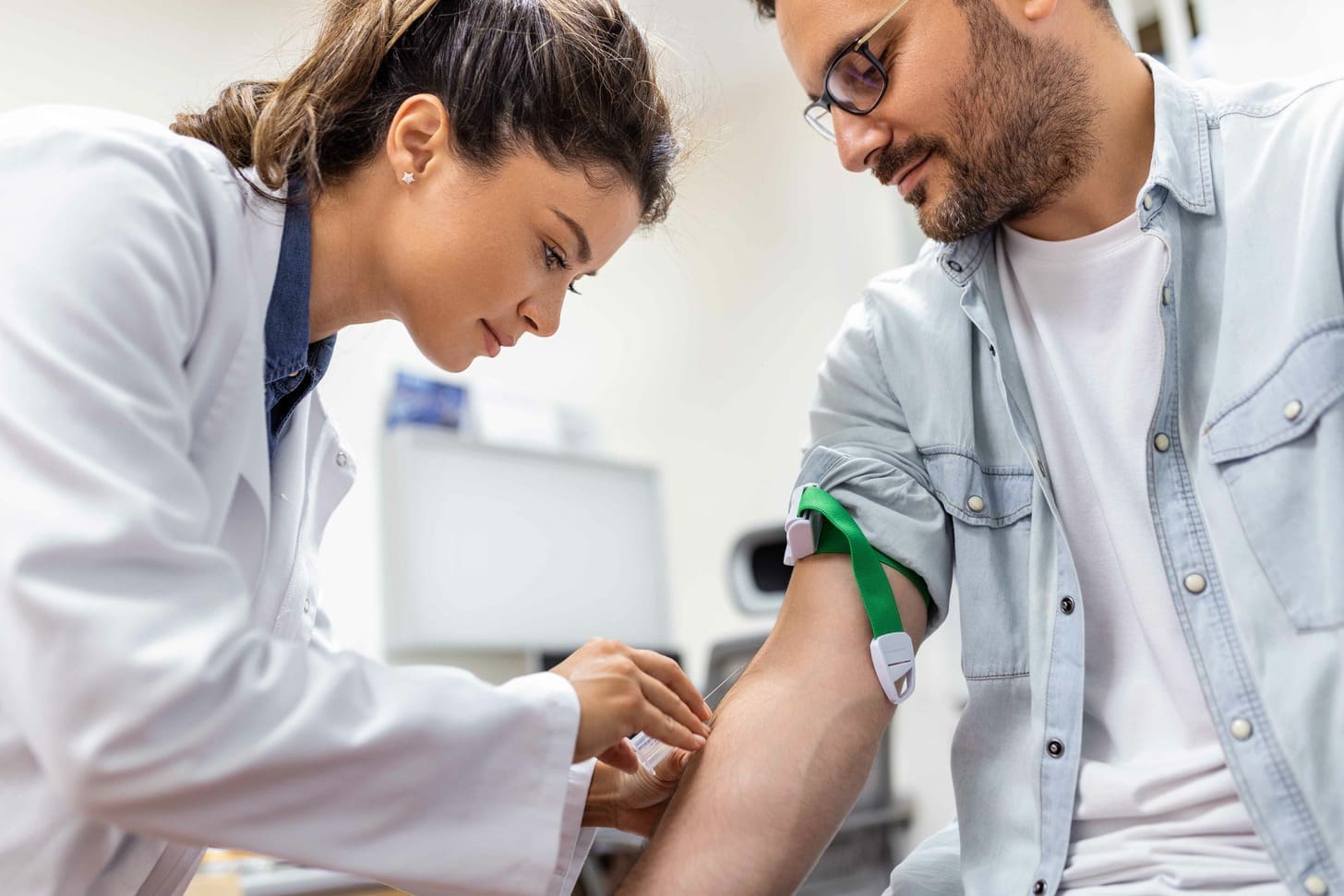
Most patients report mild discomfort similar to a blood draw or deep massage. Local anesthesia and sedation are used to minimize any pain during harvesting and injection.
A typical same-day procedure, including harvesting, processing, and administration, generally takes between 3 and 5 hours.
Yes, the tissue is transferred to a sterile laboratory within the facility for processing and concentration before being brought back for injection.
IV infusion delivers cells systemically to treat the whole body or internal organs, while local injection places cells directly into a specific joint or injury site.
Most stem cell procedures are performed on an outpatient basis, allowing patients to return to their accommodation or home the same day.
Meniscus injuries are a big problem, affecting millions globally. Traditional treatments include surgery or just managing the injury. But, new studies show stem cell therapy
Regenerative medicine is becoming more popular. Stem cell therapy is leading this trend. Regenerative stem cell therapy for knee issues is showing great promise. As
stem cell transplant Nearly 1.8 million people are diagnosed with cancer each year in the United States. Some of them see big benefits from stem

Leave your phone number and our medical team will call you back to discuss your healthcare needs and answer all your questions.
Your Comparison List (you must select at least 2 packages)